
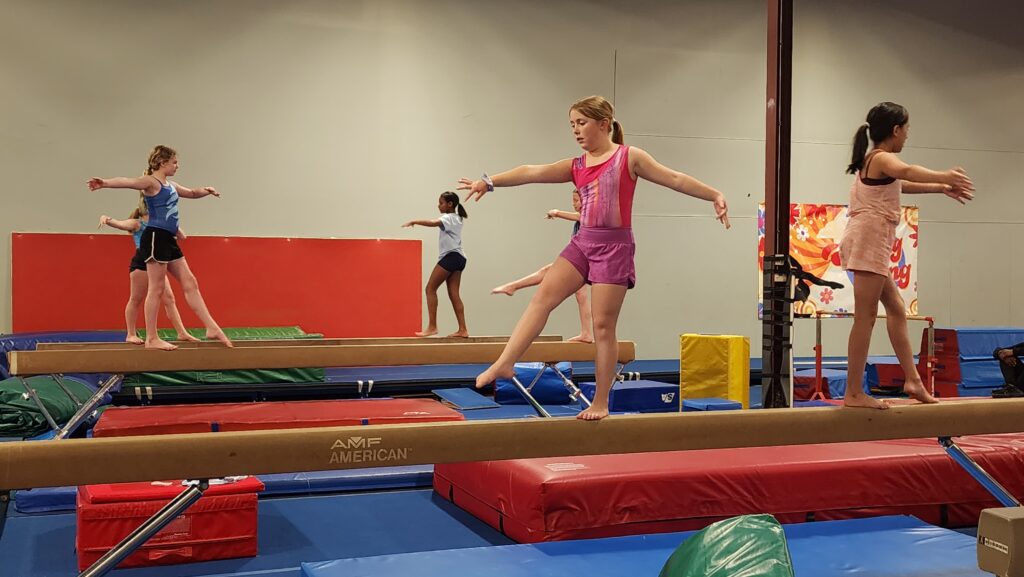
When parents search for gymnastics for kids, they often think about cartwheels, balance beams, tumbling, and high-energy fun. While those are certainly part of the experience, the real benefits of gymnastics go much deeper than most families realize. Gymnastics is not just another after-school activity. It is one of the most well-rounded youth fitness activities for helping children build strength, coordination, confidence, discipline, and social skills in a structured environment.
At FlipZone in Lee’s Summit, gymnastics training is designed to help children and teens grow physically, mentally, and socially. Whether your child is just starting a beginner class or showing interest in more advanced training, gymnastics can support development in ways that carry over into school, sports, friendships, and everyday life.
If you are wondering whether gymnastics is the right activity for your child, here are some of the lesser-known benefits that make it one of the most valuable choices for growing kids.
One of the most obvious benefits of gymnastics is improved physical strength. Children use their arms, legs, core, back, and shoulders during gymnastics movements. Over time, this helps develop better balance, flexibility, endurance, and body control.
What many parents do not realize is that gymnastics builds functional strength. This means children are not just exercising one muscle group at a time. They are learning how to use their whole body together. When a child climbs, jumps, rolls, balances, or holds a position, they are building practical strength that supports everyday movement.
This type of strength can help children with playground activities, other sports, posture, and injury prevention. It also gives them a stronger foundation for future youth fitness activities, including dance, cheerleading, martial arts, soccer, baseball, and track.
Gymnastics for kids is especially helpful because it introduces fitness in a way that feels fun instead of forced. Children are moving, learning, and playing while still gaining important physical skills.
Kids coordination training is one of the most important parts of gymnastics. In every class, children learn how to understand where their body is in space. They practice moving with control, landing safely, balancing on different surfaces, and following movement patterns.
This skill is called body awareness, and it is a major part of child development gymnastics. Body awareness helps children understand how to move safely and confidently. It can also support better performance in other areas of life, including handwriting, sports, classroom focus, and daily tasks.
For example, when a child learns how to balance on one foot, walk across a beam, or complete a forward roll, they are developing coordination between their brain, eyes, muscles, and joints. These skills may look simple from the outside, but they require focus, timing, and control.
Improved coordination can also help children feel more confident in group activities. A child who once felt unsure on the playground may begin to climb, jump, and play with greater ease. That confidence can make a big difference in how they interact with others.
Many parents are surprised to learn how much gymnastics can help with attention and listening. A structured gymnastics class requires children to follow directions, wait their turn, remember skill sequences, and stay focused on the task in front of them.
This is one of the secret benefits of gymnastics that can support school readiness and classroom behavior. Children learn that paying attention helps them complete a skill safely and successfully. They also learn how to listen to a coach, process instructions, and apply feedback.
For younger children, this can be especially valuable. Preschool gymnastics classes often introduce basic structure in a fun, age-appropriate way. Children practice lining up, taking turns, following routines, and celebrating progress. These simple habits can help prepare them for school, team activities, and social settings.
As children grow, gymnastics continues to challenge their focus. Learning a new skill takes patience and repetition. A child may not master a movement on the first try, but they begin to understand that listening, practicing, and staying engaged leads to improvement.
Confidence is one of the most powerful benefits of gymnastics. Every child enters class with different strengths, fears, and comfort levels. Some children are naturally bold, while others may feel nervous trying something new. Gymnastics gives each child the chance to grow at their own pace.
When a child learns a new skill, even something as simple as a safe landing or a basic roll, they experience a sense of accomplishment. That feeling builds confidence from the inside out. They begin to believe, “I can do hard things.”
This confidence often reaches far beyond the gym. A child who gains confidence in gymnastics may become more willing to try new things at school, speak up in class, join group activities, or participate in other sports.
At FlipZone, personalized instruction and low student-to-teacher ratios help children feel supported while they learn. This type of environment allows coaches to meet students where they are, encourage steady progress, and celebrate individual wins.
Confidence does not always come from being the best. Often, it comes from seeing progress and knowing that effort matters.
Many parents want their children to learn discipline, but they also want them to enjoy childhood. Gymnastics offers a healthy balance. It teaches commitment, effort, responsibility, and respect in a way that still feels active and fun.
Children learn that skills take time. They learn that practice matters. They learn that small steps can lead to big progress. These lessons are valuable not only in gymnastics, but also in academics, friendships, and future goals.
In gymnastics, discipline is not about perfection. It is about showing up, listening, trying again, and improving safely. Children learn how to work toward a goal with support from their coaches and encouragement from their classmates.
This is especially helpful for children who may struggle with frustration. If they do not master a skill right away, they learn to keep practicing. Over time, they begin to understand that progress is built through patience and consistency.
Another major benefit of gymnastics for kids is social growth. In a class setting, children interact with coaches and peers. They learn how to take turns, encourage others, follow group routines, and respect personal space.
These social skills are an important part of child development gymnastics. Children are not only learning how to move. They are learning how to be part of a positive group environment.
For shy children, gymnastics can offer a gentle way to build friendships. Because the class is structured around movement and shared activities, children can connect naturally without the pressure of forced conversation.
For outgoing children, gymnastics teaches patience, listening, and teamwork. They learn that everyone progresses at a different pace and that cheering for others is part of the experience.
A supportive gymnastics environment helps children feel like they belong. That sense of belonging can have a lasting impact on self-esteem and motivation.
Children experience big emotions. They may feel excited, nervous, frustrated, proud, or disappointed, sometimes all in the same class. Gymnastics gives children a safe place to work through those emotions while learning healthy coping skills.
When a child feels nervous about trying a new skill, a coach can help them break it into smaller steps. When a child feels frustrated, they can learn to pause, breathe, reset, and try again. When a child succeeds, they learn how to celebrate with confidence and humility.
This emotional growth is one of the lesser-known benefits of gymnastics. Children begin to understand that feelings are part of learning. They learn that it is okay to be nervous. It is okay to make mistakes. It is okay to keep practicing.
Over time, this can help children become more resilient. Resilience is the ability to keep going even when something feels challenging. Gymnastics naturally supports this skill because every new movement offers a chance to try, adjust, and improve.
Many parents enroll their child in gymnastics because it looks fun, but later discover how much it helps with other sports. Gymnastics develops strength, balance, flexibility, coordination, agility, and control. These skills are useful in nearly every athletic activity.
A child who participates in gymnastics may have an easier time learning dance, cheer, martial arts, soccer, basketball, volleyball, football, or track. They already understand how to move their body, control their balance, and respond to instruction.
This makes gymnastics one of the best youth fitness activities for overall athletic development. Even if a child does not continue gymnastics long term, the skills they gain can benefit them for years.
Gymnastics also helps children learn safe movement patterns. They practice landing, rolling, balancing, and controlling momentum. These skills may help reduce the risk of injury in other sports and activities.
Children need movement. In a world filled with screens, busy schedules, and long school days, active play is more important than ever. Gymnastics gives kids a positive outlet for energy in a structured, supervised setting.
Instead of simply running around, children learn how to move with purpose. They jump, stretch, roll, balance, climb, and tumble while building real skills. This can be especially helpful for kids who have high energy or need a physical activity that keeps them engaged.
Gymnastics classes provide variety, which helps children stay interested. Every class can include different skills, stations, equipment, and challenges. This keeps movement exciting while still supporting development.
For parents searching for gymnastics classes in Lee’s Summit, choosing a program that balances fun, safety, and structure can help children look forward to being active.
Goal setting is another hidden benefit of gymnastics. Children learn to work toward specific skills, whether that means improving balance, learning a cartwheel, building strength, or preparing for more advanced gymnastics training.
These goals are often broken into smaller steps. A child may need to practice hand placement, body position, timing, and confidence before completing a skill. This teaches children that big goals are reached through small actions.
Goal setting is a powerful life skill. It helps children understand how to stay motivated, track progress, and keep trying even when something takes time. In gymnastics, the reward is not only the final skill. The reward is the growth that happens along the way.
This is one reason gymnastics can be so meaningful for children and teens. It gives them a clear path for improvement while still allowing them to enjoy the process.
The earlier children learn to enjoy movement, the more likely they are to see fitness as a normal part of life. Gymnastics introduces healthy habits in a positive and encouraging way.
Children learn that being active can be fun. They learn that stretching, warming up, practicing, and cooling down are part of taking care of their body. They also learn the importance of consistency.
These habits can support a healthier lifestyle as children grow. When fitness feels enjoyable instead of intimidating, children are more likely to stay active through different stages of life.
Gymnastics for kids is not only about what happens during class. It can shape how children think about movement, effort, and personal wellness for years to come.
As children progress in gymnastics, they begin to take ownership of their learning. They remember class routines, practice skills, listen for corrections, and become more aware of their own progress.
This helps build independence. Children learn that their effort matters. They begin to recognize what they can do on their own and when they need support.
Responsibility also develops through simple class expectations. Children learn to follow safety rules, respect equipment, listen to coaches, and stay aware of others. These habits support maturity in and out of the gym.
For many children, gymnastics becomes one of the first places where they experience structured independence. They are supported by coaches, but they are also encouraged to try, think, and grow.
Parents today often look for activities that help children unplug and move. Gymnastics is a strong option because it fully engages the body and mind. Children are not just being entertained. They are participating, listening, problem-solving, and practicing.
This makes gymnastics different from passive activities. It requires focus, movement, and effort. It gives children a chance to release energy, build confidence, and connect with others in person.
For families in Lee’s Summit and surrounding areas, gymnastics can be a valuable part of a balanced weekly routine. It offers children something productive, active, and enjoyable to look forward to.
Childhood development includes learning how to try new things safely. Gymnastics gives children a controlled environment where they can challenge themselves with guidance.
Trying a new skill can feel scary at first. With proper coaching, children learn how to approach challenges step by step. They learn safety techniques, proper form, and how to trust the process.
This kind of safe risk-taking is important. It helps children become braver without being careless. They learn to respect their limits while also discovering that they are capable of growth.
A supportive gymnastics class helps children understand the difference between being unsafe and being challenged. That lesson can help them make better decisions in many areas of life.
Parents often love seeing their child grow through gymnastics. Watching a child learn a new skill, overcome fear, or gain confidence can be incredibly rewarding.
Gymnastics also creates opportunities for meaningful conversations at home. Parents can ask what their child learned, what felt challenging, and what they are proud of. These conversations help children reflect on their progress and feel supported.
For younger children, parent-child classes or early gymnastics programs can also create shared bonding experiences. Even when parents are watching from the side, their encouragement matters.
Children thrive when they know someone is cheering them on. Gymnastics gives families plenty of moments to celebrate effort, growth, and perseverance.
Choosing the right gymnastics program matters. Parents want a place where their child feels safe, encouraged, and challenged in a positive way. FlipZone offers gymnastics training for children and teens in a family-owned environment focused on personalized instruction, low student-to-teacher ratios, and steady skill development.
Located in Lee’s Summit, Missouri, FlipZone serves families looking for recreational gymnastics classes, competitive gymnastics programs, private gymnastics lessons, and gymnastics birthday parties. The goal is to help students build strength, coordination, perseverance, social skills, and confidence through structured and supportive instruction.
Whether your child is brand new to gymnastics or ready to grow their abilities, FlipZone provides a welcoming place to learn.
Many children can begin gymnastics at a young age, depending on the program. Beginner and preschool gymnastics classes often focus on basic movement, balance, coordination, and listening skills. At FlipZone, classes are available for children ages two and a half through teens.
Yes. Child development gymnastics supports physical, mental, emotional, and social growth. Children can improve strength, coordination, focus, confidence, discipline, and social skills through regular participation.
Yes. Kids coordination training is one of the biggest benefits of gymnastics. Children practice balance, timing, body control, spatial awareness, and movement patterns that can help them in sports, school, and daily activities.
No. Many children enjoy recreational gymnastics without ever joining a competitive team. Gymnastics can be a fun fitness activity, a confidence-building experience, or a foundation for other sports.
If your child enjoys movement, climbing, jumping, tumbling, or trying new activities, gymnastics may be a great fit. It is also helpful for children who need more confidence, coordination, focus, or structured physical activity.
The benefits of gymnastics go far beyond flips and handstands. Gymnastics helps children build strong bodies, focused minds, confident attitudes, and healthy social skills. It teaches perseverance, responsibility, coordination, and courage in a way that feels fun and rewarding.
For parents searching for gymnastics for kids in Lee’s Summit, FlipZone offers a supportive place where children can learn, grow, and feel proud of their progress. Whether your child is starting with the basics or ready for the next level, gymnastics can help them build skills that last well beyond the gym.
To learn more about gymnastics classes, private lessons, competitive programs, or birthday parties, contact FlipZone today and help your child take the next step in their gymnastics journey.