
Choosing between competitive gymnastics programs and recreational gymnastics classes can feel like a big decision, especially when your child is just starting to show interest. The good news is there is no “one right” answer, only the right fit for your child’s personality, goals, and season of life. In this guide, you will learn the real differences between the two paths, get gymnastics levels explained in simple terms, and walk away with a clear way to decide what supports your child best.
At FlipZone in Lee’s Summit, families often start in recreational classes and later explore gymnastics team training if their child asks for a bigger challenge. Both options can build confidence, coordination, strength, and resilience when the environment is supportive and structured.
Recreational gymnastics classes are designed for learning fundamentals in a fun, low-pressure setting. Most kids begin here, regardless of whether they eventually compete.
Recreational classes typically focus on:
This path is ideal if your child wants to:
Many families love recreational programs because they give kids room to grow at their own pace while still receiving quality coaching and structure.
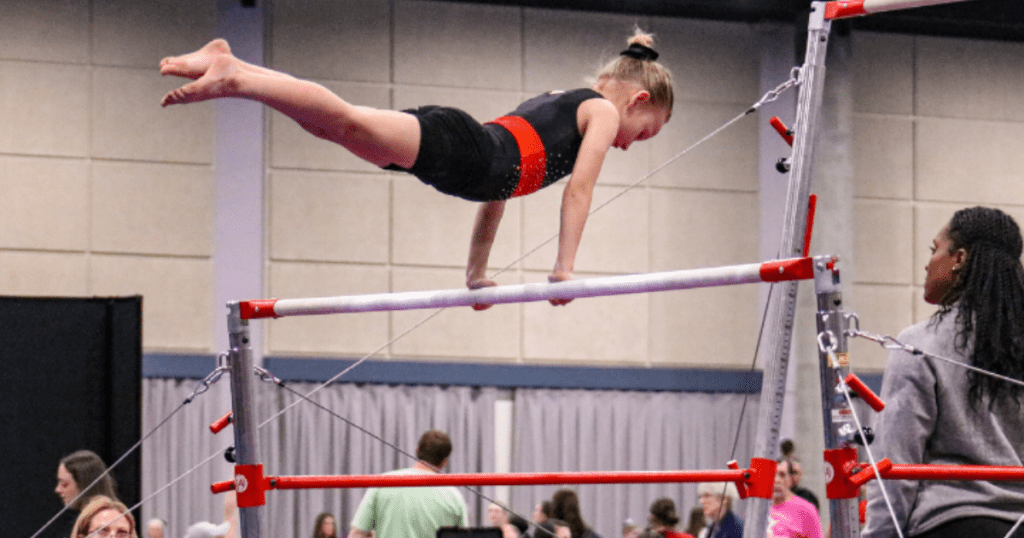
Competitive gymnastics programs are designed for athletes who want to train more seriously, master higher-level skills, and participate in meets. Competitive teams follow more structured training plans and require consistent attendance.
Competitive gymnastics often includes:
This path can be a great fit if your child:
Competitive youth sports can be empowering for many kids when the culture stays healthy, supportive, and safety-first.
When parents hear “levels,” it can sound intimidating. Here is the simplest way to think about it:
In many gyms, recreational classes are grouped by age and ability, while competitive programs follow a formal leveling system with defined skill requirements. The important takeaway is that levels exist to keep kids training safely and progressing confidently, not to rush anyone forward.
For many families, the schedule is the deciding factor.
If your child thrives with structure and wants more training, competition may be exciting. If your child loves variety and flexibility, recreational gymnastics might be the perfect long-term choice.
Cost considerations: what to expect
Costs vary by gym and program, but competitive training usually includes more built-in expenses because of meets and team requirements.
Competitive costs can include:
Recreational classes are typically more predictable and budget-friendly. If cost is a concern, ask about trial periods, seasonal options, or what is required versus optional.
FlipZone families often appreciate clarity, structure, and personalized support when choosing a program, especially when a child is growing quickly in skill and interest.
Here is a gentle truth: the best choice is not about whether your child is “good enough.” It is about whether the environment matches who they are right now.
Recreational tends to fit kids who:
Competitive tends to fit kids who:
A child can also switch paths over time. Many athletes start recreational, move into gymnastics team training, and later return to recreational when schedules change. That is normal and healthy.
Regardless of whether you choose competitive or recreational, prioritize these three things:
If you want a clear way to decide, use these questions:
And if you are still unsure, a great next step is asking about a trial class, evaluation, or a coach recommendation based on your child’s readiness and interest.
No. Competitive programs are for kids who want a structured training path and enjoy working toward meets. Many athletes grow into competition gradually.
Absolutely. This is one of the most common paths. Recreational builds strong fundamentals that make a future transition smoother.
It depends on the culture and the child. In a supportive environment, competition can feel exciting and empowering, not stressful.
That is completely okay. Talent does not require competition. Recreational classes can still offer challenge, progress, and pride.
If your child lights up in the gym, feels safe with their coaches, and enjoys the learning process, you are on the right track. Whether you choose recreational gymnastics classes or competitive gymnastics programs, the goal is the same: helping your child build strength, coordination, confidence, and perseverance in a positive environment.
If you are local to Lee’s Summit and surrounding communities, FlipZone’s family-centered approach and structured training options can help you choose a path that fits your child’s goals and your family’s lifestyle.