
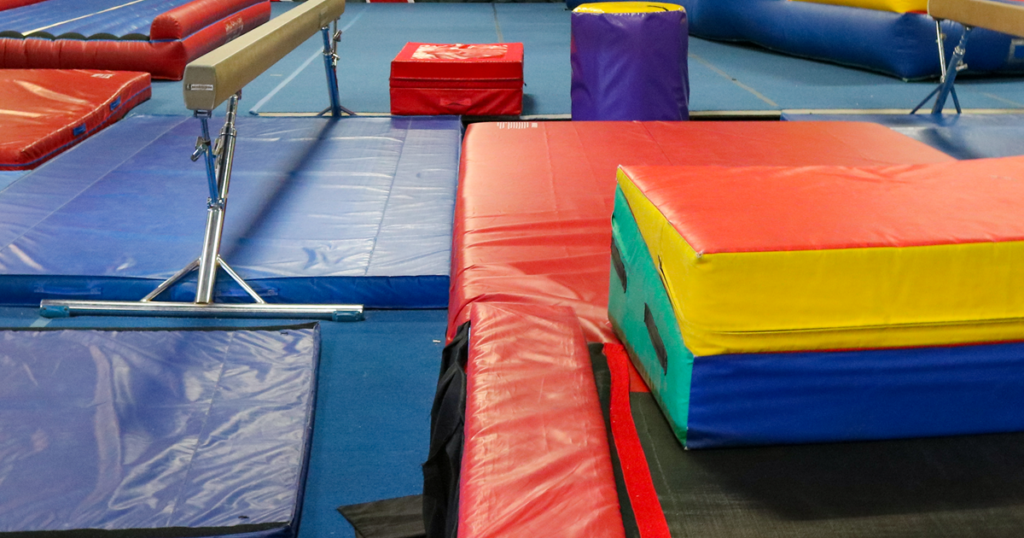
A first gymnastics class usually starts with a warm-up, followed by coach-led practice and time to try simple movements at a pace that suits your child. A beginner might practice balancing, landing with control, or moving through a station after watching a demonstration. The exact activities depend on the gym, the class, and the children in it. For a first visit, knowing where to go and what to bring can make the day feel much more manageable.
At FlipZone in Lee’s Summit, Missouri, recreational groups are organized by age, and coaches individualize skills within each group. If your child is new to gymnastics, share their age and experience when you ask about placement. FlipZone recreational classes
Gymnastics classes for beginners give children a place to learn skills in small steps. When you contact a gym, give a quick description of your child instead of trying to choose a level yourself. A seven-year-old who has never taken a class may belong with other children around the same age. A child who has taken tumbling elsewhere may still need help getting used to equipment or a different class routine.
If you’re looking for beginner gymnastics in Lee’s Summit, ask which group currently fits your child’s age, how the gym introduces skills to new students, and whether you can try a class before enrolling. FlipZone’s recreational class page lists a trial inquiry option. Confirm space and the current terms directly before making plans around a particular class. FlipZone trial and registration information
When comparing two time slots, think about the hour leading up to class. A child coming straight from school may appreciate a few minutes to change and settle. If you’re driving from Blue Springs, plan enough time to find the entrance and check in without rushing. Pick the class you can reach comfortably on a typical week.
Choose clothes that allow your child to move freely and stay close to the body when they reach overhead or bend. A leotard or a fitted athletic shirt and shorts are common choices. Ask your gym about footwear, jewelry, and hair before you arrive. Tie back long hair, leave jewelry at home, and check whether the gym asks children to remove socks before stepping onto the floor.
Bring a labeled water bottle and keep belongings together. An adult can handle any check-in details while the child gets ready. If your child likes to know what’s coming, let them pick between two suitable outfits the night before and show them where their water bottle will go.
If you’re tempted to buy a whole gymnastics wardrobe, start with what fits the gym’s clothing guidance. For most first visits, the practical questions are whether the outfit stays in place, whether your child can move comfortably, and where they’ll leave their shoes.
Ask the front desk where to wait and how coaches call children onto the floor. Find out where adults can watch and how the coach will reach you if your child needs help. If your child is nervous, let the coach know at check-in. A specific detail, such as “She usually watches a new activity before joining,” gives the coach something concrete to work with.
Keep your explanation simple on the way in. You might say, “We’ll meet your coach, find out where your class starts, and see what you get to try.” If your child asks whether they have to do a cartwheel, tell them the coach will show them where to begin. You can also agree on where they’ll see you when class ends, if the gym’s viewing setup allows.
The sequence varies, but a first class often follows a pattern children can learn across visits. The coach gathers the group, leads a warm-up, demonstrates an activity, and tells children when to take their turns. At a station, several children may work on the same movement with different levels of support.
A warm-up might involve walking, reaching, or other simple movements that get children following cues together. This is also when your child starts to learn the coach’s language. Instructions like “wait here” or “finish with your feet together” help a child understand where the movement starts and ends.
Stations give a coach several ways to introduce an idea. At a balance station, one child might walk along a floor line while another practices on a low beam under instruction. At a floor station, a coach might work on body shapes or introduce part of a roll. These are examples of beginner gymnastics skills. Your child may see a different mix on the day they visit.
In kids’ gymnastics training, a progression is the series of smaller steps that leads toward a skill. For instance, a coach can use a floor line to teach where to look and how to place the feet before moving the child to a beam. If the assignment looks simple from the viewing area, ask what the coach is watching for. The answer can help you notice progress in a movement you might otherwise overlook.
The spaces between turns teach the routine, too. Children learn where to stand, how to leave space for the next gymnast, and when to move on. The coach may finish by bringing the group back together or sending children to a designated pickup point. Ask about that handoff when you check in so your child knows where to meet you.
Look for small signs that your child understood the routine or found something they wanted to try. Maybe they joined the warm-up after watching. Maybe they asked the coach for help, waited for a turn, or gave the balance station a second go. A child can leave feeling proud of any one of those moments.
Ask a concrete question on the way home, such as “Which station would you do again?” or “What did your coach help you with?” If they say something felt hard, ask what part. Waiting for a turn, hearing the directions, and stepping onto a beam are three different experiences. Naming the difficulty can help you explain it to the coach before the next visit.
You can ask the coach one question as well. “What would you have them work on next time?” can tell you whether the group offers a reasonable starting point and what the coach sees as the next step.
Keep the parts of the routine that worked. Use the same arrival plan, pack the water bottle in the same place, and give your child one thing to look forward to. For gymnastics for young children, familiar routines can make it easier to remember where to wait and who to ask for help. School-age beginners can also benefit from knowing how the class starts.
If your child wants to practice a new skill at home, ask the coach which parts are appropriate away from the gym. Encourage them to tell you about what they learned, and leave unfamiliar apparatus work and advanced tumbling to coach-led practice.
If the time slot or group feels like a poor fit, describe what you observed. A late class after a long school day calls for a different conversation from a class where your child understands the directions and wants a greater challenge.
No. A beginner class gives children a place to learn the building blocks. Tell the gym about any past experience and let the coach choose a starting exercise that matches what your child can do today.
Ask about age placement and whether the current schedule offers suitable options. FlipZone publishes several age groupings, including some that overlap. The gym can help you find out whether one class works for both children or whether separate groups make sense. FlipZone age groupings
Tell the coach before class starts and ask how they handle a gradual introduction. Some children may be ready to join a familiar movement after watching a demonstration. If your child needs more time, ask the coach what a manageable first step could look like at the next visit.
FlipZone is a family-owned gymnastics facility at 1170 SE Century Dr in Lee’s Summit, Missouri. It has served families since 2001. When you call or text 816-699-1577, share your child’s age, any prior experience, and which days work for your family. Write down the details so any caregiver can follow the plan. Ask which recreational group is a good starting point and whether a trial spot is available. FlipZone history · Class and trial information