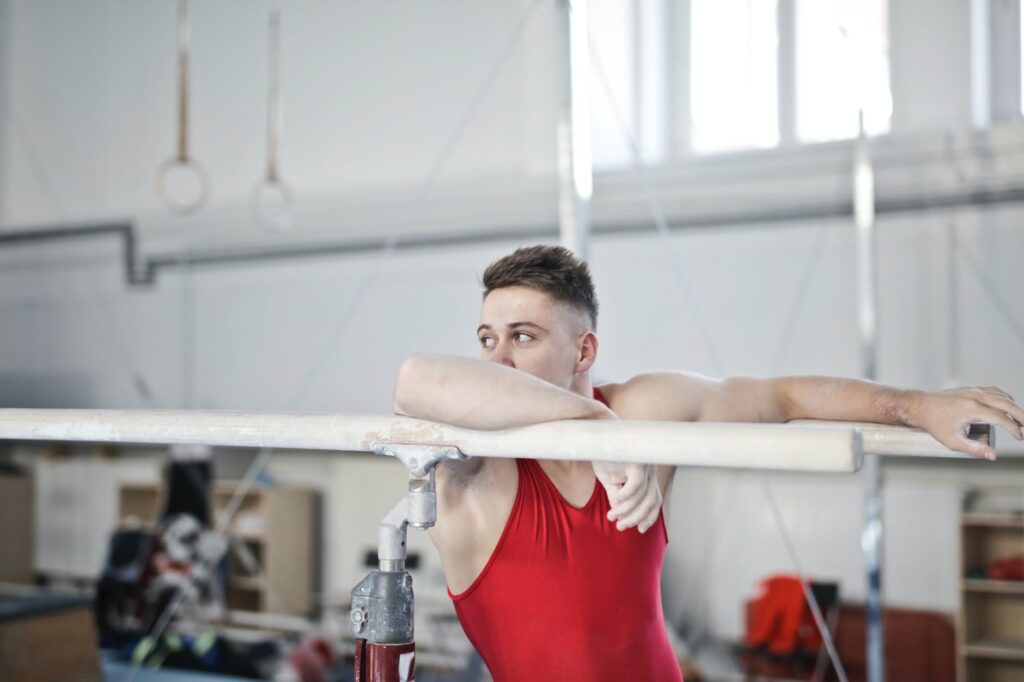
The Physical and Mental Preparation Required to Become an Olympic Gymnast
Becoming an Olympic gymnast requires a tremendous amount of physical and mental preparation. It takes years of hard work, dedication, and commitment to reach the highest level of the sport.
Physical Preparation
Gymnasts must have a strong foundation of physical strength and flexibility to be successful. This includes having a good level of cardiovascular fitness, muscular strength, and endurance. Gymnasts must also have a high level of body control and coordination.
Gymnasts must train for hours each day to build the strength and flexibility needed to perform the difficult skills required in the sport. This includes strength training, stretching, and conditioning exercises. Gymnasts must also practice their skills on the various apparatus, such as the balance beam, uneven bars, and vault.
Mental Preparation
Gymnastics is a highly competitive sport and requires a great deal of mental preparation. Gymnasts must be able to stay focused and motivated during their training and competitions. They must also be able to handle the pressure of competing in front of large crowds.
Gymnasts must also have a strong sense of self-discipline and dedication. They must be willing to push themselves to their limits and strive for perfection in their routines.
Gymnasts must also have a positive attitude and be able to stay positive even when things don’t go as planned. They must be able to stay calm and composed in the face of adversity and be able to quickly recover from mistakes.
Finally, gymnasts must have a good support system in place. This includes coaches, family, and friends who can provide emotional support and encouragement.
Becoming an Olympic gymnast is a long and difficult journey. It requires a great deal of physical and mental preparation. With hard work, dedication, and commitment, it is possible to reach the highest level of the sport.
The Role of Nutrition in Achieving Olympic Gymnast Success
Nutrition plays an essential role in achieving success as an Olympic gymnast. Eating the right foods and staying hydrated can help gymnasts reach their peak performance and stay healthy.
Gymnasts need to consume a balanced diet that includes carbohydrates, proteins, and fats. Carbohydrates are the body’s main source of energy and should make up the majority of a gymnast’s diet. Whole grains, fruits, and vegetables are all excellent sources of carbohydrates. Proteins are important for muscle growth and repair and should come from lean sources such as fish, poultry, and legumes. Fats are also necessary for energy and should come from healthy sources such as nuts, seeds, and avocados.
In addition to a balanced diet, gymnasts should also stay hydrated. Water is essential for proper bodily functions and should be consumed throughout the day. Sports drinks can also be beneficial for athletes who are engaging in intense physical activity.
Gymnasts should also be mindful of their portion sizes. Eating too much or too little can have a negative impact on performance. It is important to eat enough to fuel the body but not so much that it becomes a distraction.
Finally, gymnasts should be aware of the timing of their meals. Eating too close to a competition can cause discomfort and distraction, while eating too far away can lead to low energy levels. It is important to find a balance that works for each individual gymnast.
Nutrition plays an important role in achieving success as an Olympic gymnast. Eating a balanced diet, staying hydrated, and being mindful of portion sizes and meal timing can help gymnasts reach their peak performance and stay healthy.
The Benefits of Having a Supportive Team Behind You on the Road to Olympic Gymnast Success
Having a supportive team behind you on the road to Olympic gymnast success is invaluable. A supportive team can provide the encouragement, guidance, and resources needed to help you reach your goals. Here are some of the benefits of having a supportive team on your side:
1. Encouragement: A supportive team can provide the encouragement you need to stay motivated and focused on your goals. They can provide positive reinforcement and help you stay on track when you feel like giving up.
2. Guidance: A supportive team can provide guidance and advice on how to best reach your goals. They can help you identify areas of improvement and provide feedback on your progress.
3. Resources: A supportive team can provide access to resources that can help you reach your goals. This could include access to specialized training facilities, equipment, and coaches.
4. Accountability: A supportive team can help keep you accountable for your actions. They can provide a sense of responsibility and help you stay on track with your goals.
5. Networking: A supportive team can help you build relationships with other athletes, coaches, and professionals in the gymnastics world. This can open up opportunities for further growth and development.
Having a supportive team behind you on the road to Olympic gymnast success can be a huge asset. They can provide the encouragement, guidance, and resources needed to help you reach your goals. With their help, you can achieve your dreams of becoming an Olympic gymnast.
How competitive gymnastics supports young athletes
How Young Gymnasts Build Skills for Competitive Success is most helpful when families understand how the class, lesson, or activity fits a child’s age, confidence, and current skill level. At FlipZone, competitive gymnastics is taught with a focus on safe progress, positive coaching, and steady skill development. That means kids can build strength and coordination while also learning how to listen, try again, and celebrate improvement.
Parents comparing options in Lee Summit can start with FlipZone’s competitive gymnastics team to see which program best matches their child’s goals. Families who are unsure where to begin can also contact FlipZone for help choosing an age-appropriate next step.
What parents should look for
- Coaches who explain skills clearly and keep children moving safely.
- Classes that balance fun, structure, and steady repetition.
- Activities that build confidence as well as strength and flexibility.
- A program path that lets children grow from beginner skills into bigger goals.
A strong gymnastics program should feel encouraging, organized, and developmentally appropriate. The goal is not only to learn a cartwheel, handstand, routine, or tumbling pass; it is to help children become more confident movers. For families who want broader background on the sport, USA Gymnastics offers additional information about gymnastics participation and athlete development.
Ready to take the next step?
If your child is curious about competitive gymnastics, FlipZone can help you choose a starting point that feels challenging without being overwhelming. A good first experience can make gymnastics feel exciting, achievable, and worth continuing.